
- Infomatrix Asia is an international innovation competition that has been a platform for young minds in technology, science, and digital arts for over a decade.
- Dedicated to promoting collaboration and creative excellence in IT, science, and entrepreneurship on a global scale.
- Supported by the Ministry of Education of the Republic of Kazakhstan and the BILIM-INNOVATION International Social Foundation.

AI Programming
Students must develop an application that is useful for society, easy to use, and reliable. The purpose of this category is to evaluate participants’ skills in computer programming. They should be able to implement various algorithms and data structures, as well as solve complex problems. Participants may use any programming or scripting language, including C++, Java, Pascal, Python, or PHP.
This year, the competition especially encourages projects focused on artificial intelligence (AI), as the rapid development of this field has a significant impact on society. Such projects are highly relevant, and the committee may give preference to solutions that integrate AI. However, traditional projects that meet the competition requirements and demonstrate social value will also be considered.
AI Hackathon
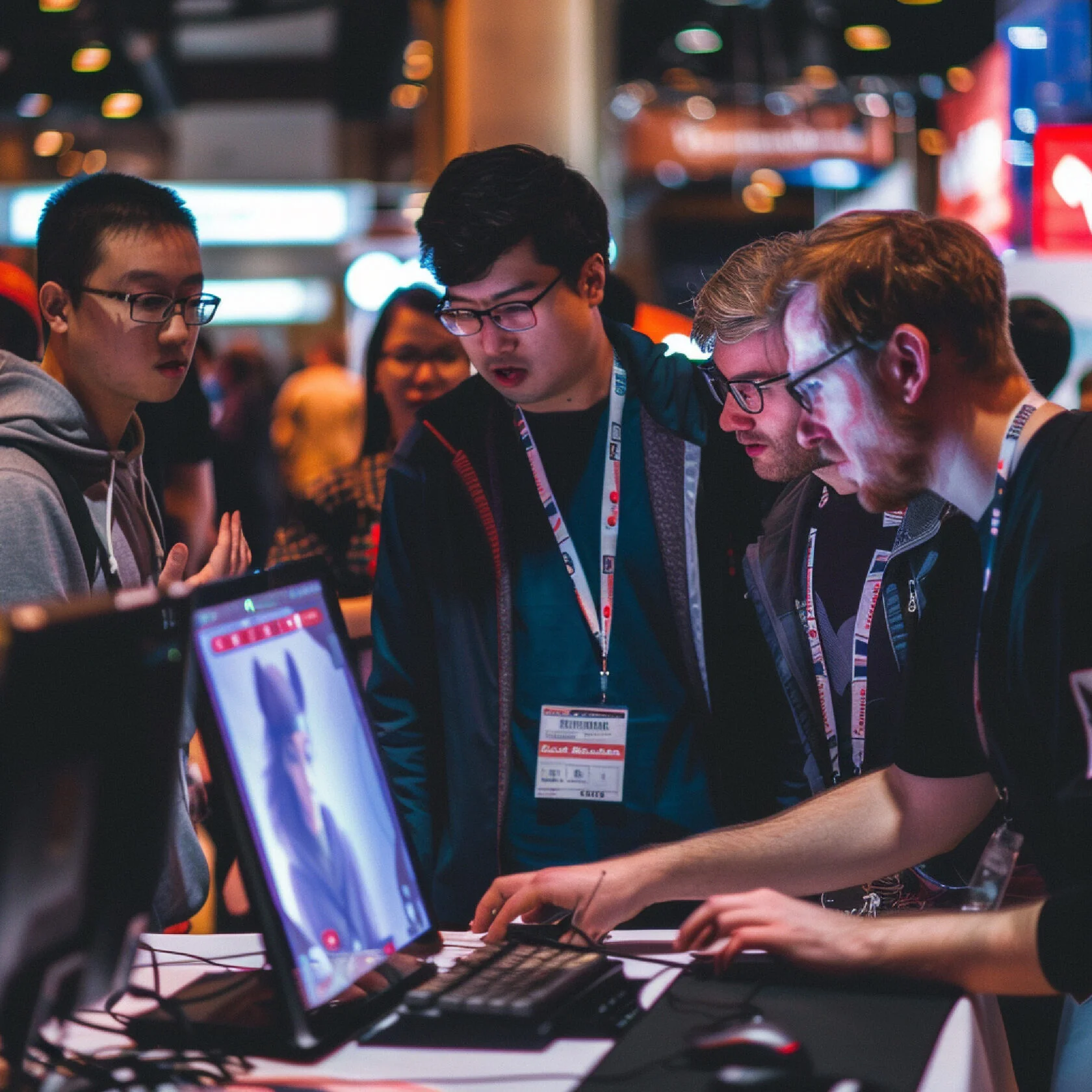
At INFOMATRIX-ASIA, the AI Hackathon has become one of the key highlights of the competition. It offers students a unique opportunity to showcase their programming and development skills while integrating the latest artificial intelligence technologies into their projects.
The hackathon allows participants to collaborate with experienced mentors and AI specialists, helping them unlock their potential and refine their solutions. Students are required to present fully functional projects with CRUDL (Create, Read, Update, Delete, List) capabilities, as outlined in the documentation. In the initial stage, teams submit their projects online without AI components. During the Final stage, AI features will be assigned randomly and must be integrated into the project on-site.
Startup Pitch
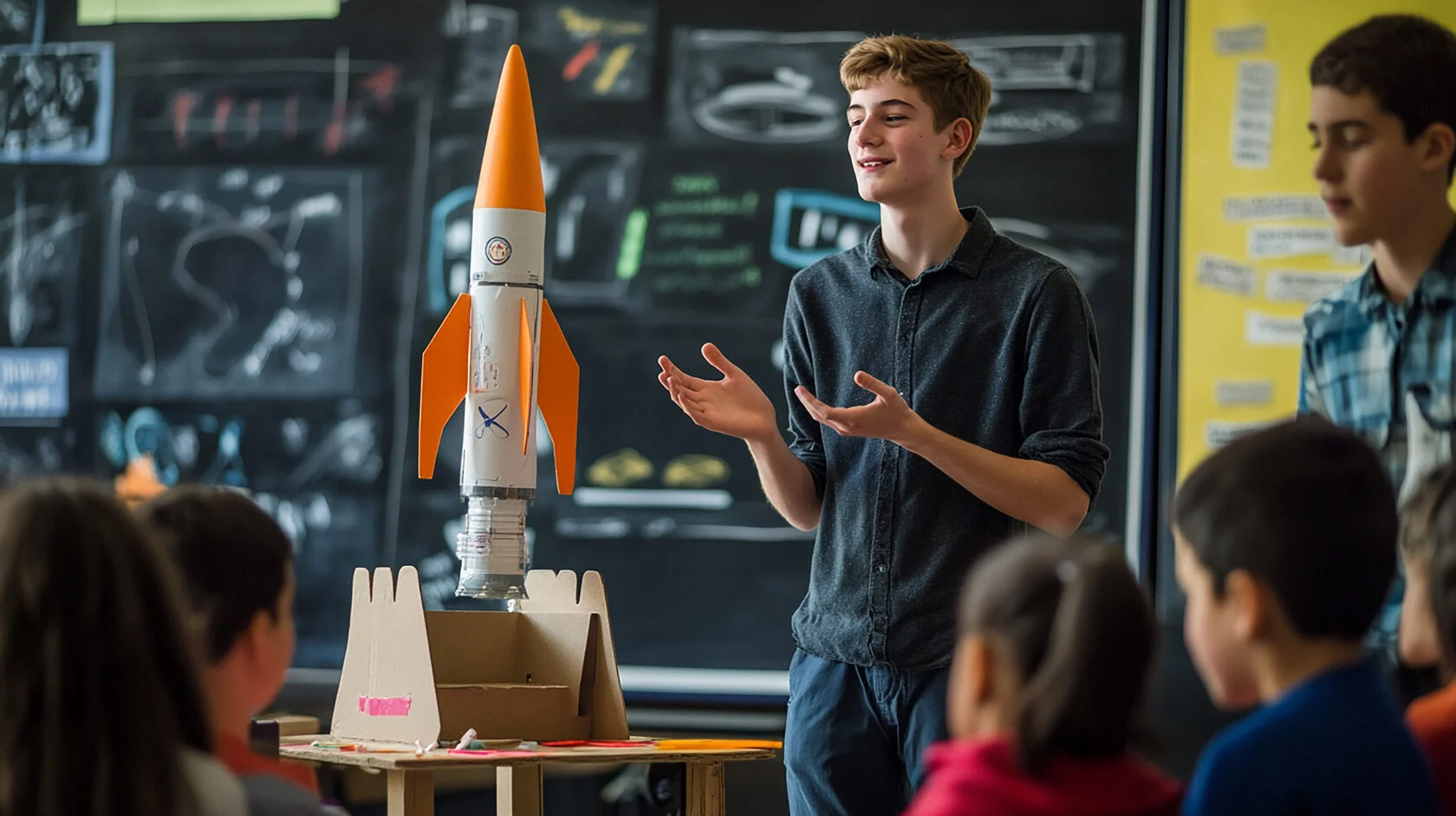
The Startup Pitch category at Infomatrix Asia is designed to inspire young innovators to develop and present real business ideas. This format provides students with a platform to demonstrate their entrepreneurial mindset, problem-solving skills, and business understanding. In addition, participants will have the opportunity to consult with leading mentors and attract the attention of industry leaders.
Participants are expected to identify a specific market problem, develop an innovative business solution, conduct market research, and create a minimum viable product (MVP) or prototype. They will present their startup ideas in a structured pitch deck format to investors, business leaders, and jury members, simulating a real investment scenario.
Hardware Control
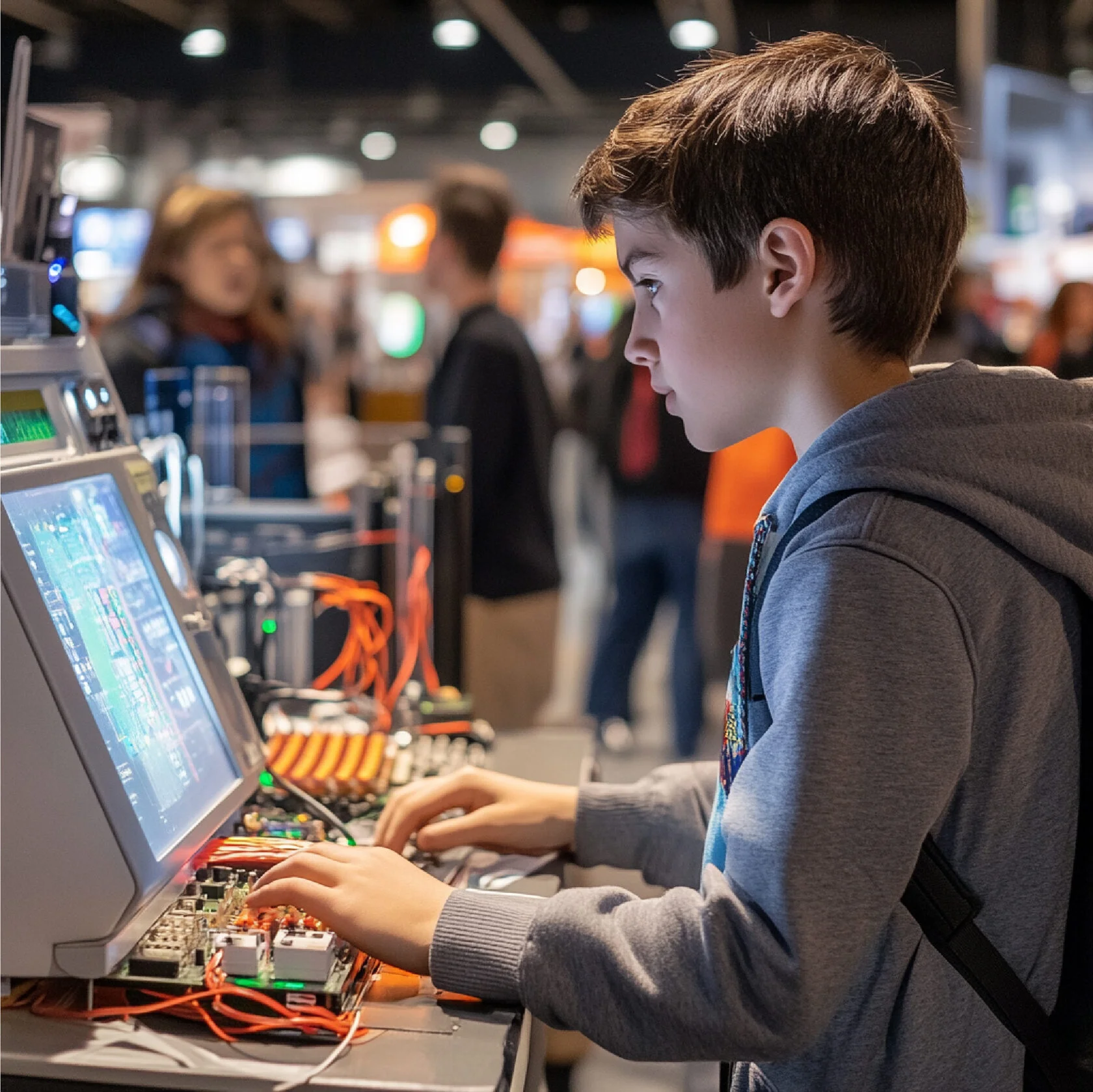
The Hardware Control category at Infomatrix Asia is designed to encourage students to combine programming skills with engineering creativity by developing projects that interact with electronic or mechanical devices. Participants are expected to design and implement a working system where software directly controls or communicates with hardware components.
Projects may include robotics, automation systems, IoT solutions, or other creative devices that provide real-world benefits. Students must present their work through detailed documentation, a functional prototype, and a stand presentation to the jury.

Applied Science
The Applied Science category at Infomatrix Asia is designed to inspire students to use scientific principles and research methods to solve real-world problems. This format provides participants with an opportunity to demonstrate their knowledge in fields such as physics, chemistry, biology, mathematics, or environmental science, while showcasing their ability to apply theory to practice.
Participants are expected to conduct research, design experiments, and develop innovative solutions that address societal, environmental, or technological challenges. Projects may include prototypes, experiments, or models supported by clear documentation and scientific analysis.
Arduino Hackathon
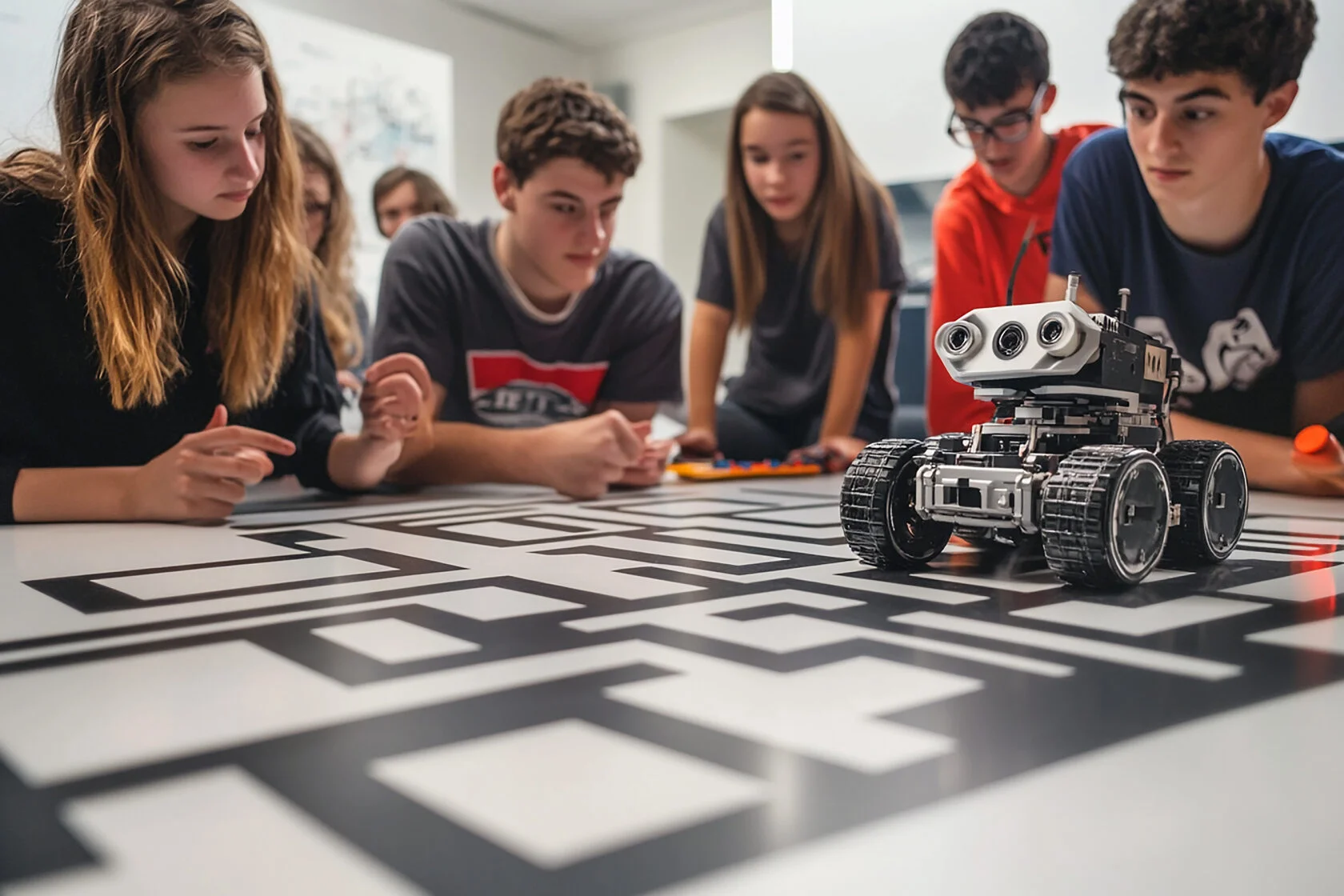
The Arduino Hackathon category at Infomatrix Asia is designed to challenge students to apply their programming and engineering skills in a fast-paced, hands-on competition. Using Arduino-based kits, participants must design, build, and program functional devices that solve specific tasks within a limited timeframe.
The core of this robotics challenge is effective teamwork and intense collaboration. Success in this competition depends on the ability of all team members to work as one, quickly designing, building, and programming their specialized robots. The competitive environment demands unified strategy, synchronized control, and decisive communication from all participants to overcome opponents and achieve victory. Let the competition begin!

Computer Art AI
Unleash your creativity in a category where human vision meets the power of artificial intelligence. In Computer Art AI, we focus on "AI-Assisted" creation—a collaborative process where your artistic direction, conceptual depth, and stylistic choices lead the way. Whether you are pushing the boundaries of Graphic Design or crafting immersive Animations, this category celebrates the synergy between traditional digital tools like Photoshop, Blender, and After Effects and the innovative potential of AI. Here, technology doesn’t replace the artist; it amplifies your ability to convey meaning, emotion, and complex ideas through professional visual communication.
Stand out by demonstrating a sophisticated balance of manual skill and AI integration. We invite you to submit original projects that reflect your unique voice, moving beyond simple generation to meaningful artistic refinement. The competition journey includes a video presentation of your workflow and a live showcase where you will defend your design decisions before a jury. Your work will be evaluated on visual coherence, technical mastery, and the impact of your message. Remember, the goal is to showcase human-driven innovation—fully AI-generated works are not accepted, as we value the creative spark that only you can provide.

Short Movie
The Short Movie category at Infomatrix Asia is designed to encourage students to express their creativity and storytelling skills through film. This category provides a platform for participants to demonstrate their abilities in directing, shooting, and editing, while delivering a meaningful message through visual storytelling.
Participants are expected to create an original short film of 3–5 minutes in length based on one of the given themes. Projects should showcase technical proficiency in cinematography, sound design, and editing, as well as originality and emotional impact.
Drone Soccer
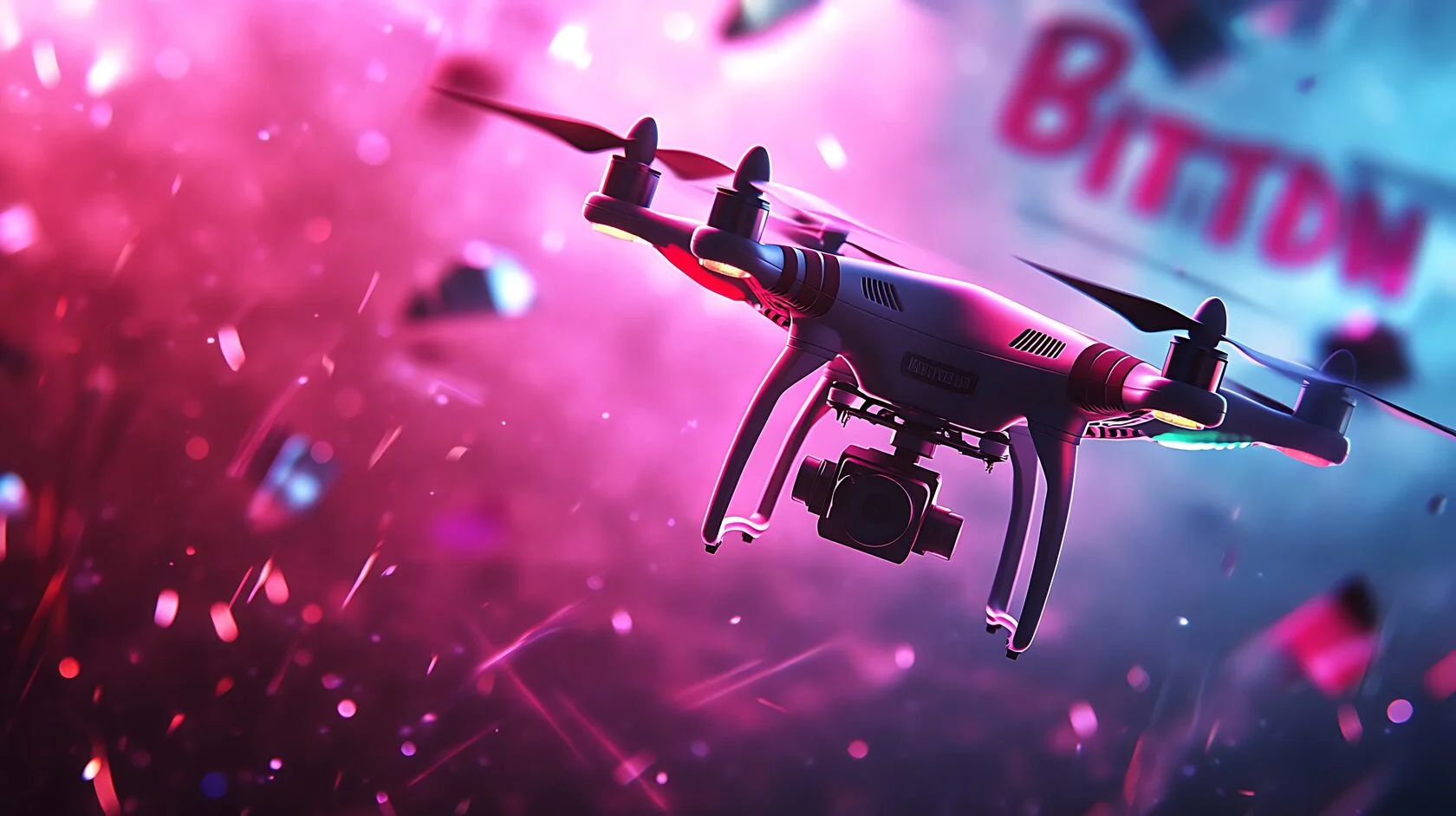
Drone Soccer is an exciting robotics competition where students control drones in a game similar to soccer. Two teams face each other inside a protected arena, trying to score goals by flying their drones through the opponent’s net.The challenge tests not only piloting skills but also teamwork, strategy, and quick decision-making. Each match is fast-paced, requiring coordination and communication between team members.
The goal of Drone Soccer is to combine the thrill of sports with the innovation of technology, inspiring students to develop interest in engineering, robotics, and aviation while having fun in a competitive environment.




- Students from schools, colleges, and educational institutions who meet the age and category requirements are eligible. Participants register online through the official website by completing the form and submitting the required documents.
- Both individual and team-based participation options exist. Some categories allow single projects, while others require teams (usually 2–3 members). Yes, but with conditions. You may register different projects for multiple categories if you meet all requirements. However, at the final stage, a participant may defend only one project in one category. If you qualify in multiple categories, you must choose one project and one category for the final defense.
- AI projects are not mandatory but are strongly encouraged in categories like Programming, AI Hackathon, and Computer Art with AI. Projects are judged based on innovation, technical quality, creativity, documentation, and presentation.
- Yes, most categories require an online submission during the preliminary stage. Detailed guidelines and exact deadlines for the preliminary stage are provided in the official documentation.
- Mentorship will be provided in certain categories (e.g., AI Hackathon and Startup Pitch) by industry specialists. Participants should bring their own laptops and required materials. Some categories may provide hardware kits on-site (e.g., Arduino Hackathon).
- English is the primary language for the project and presentation. Additional languages may be allowed depending on the category. Yes, participation fees vary by region and category. Full details are available on the registration page.
Koshkarbaeva 11/2, Akmola,
Astana, Kazakhstan
